
The Beginner's Guide to Buying Your First Ethical Sweater
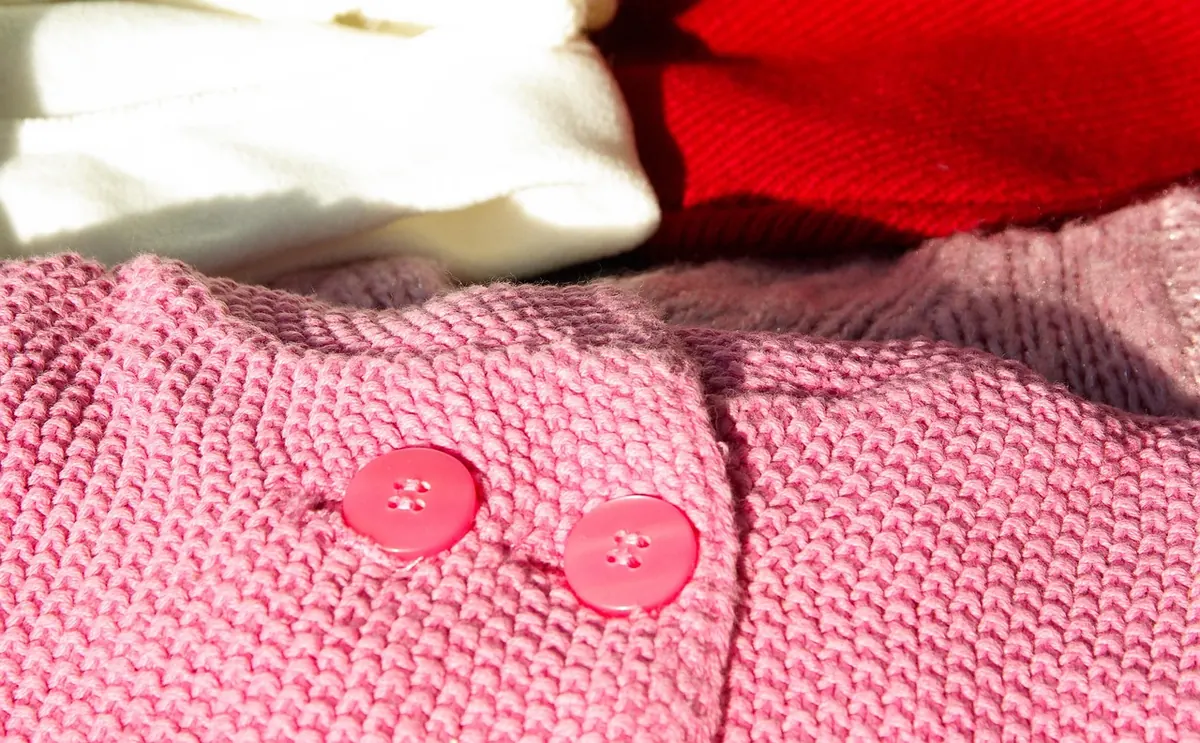
Your first ethical sweater is a small purchase with a long tail. Wear it for years and it becomes the piece you reach for without thinking. Wear it twice and it drifts to the back of the drawer. The difference usually comes down to three things: what the sweater is made of, how it fits, and whether the people who made it were paid properly.
None of that is obvious from a good product photo. What follows is a practical walk through the decisions, in the order you will actually make them.
Start With the Fibre, Not the Buzzword
Wool, alpaca, cashmere, cotton, linen and recycled fibres all behave differently, and the cheap version of any of them is a different animal from the good stuff. Fibre length matters more than most labels admit. Long fibres spin into yarn that holds together; short fibres work loose and pill within weeks. A carefully sorted lambswool crewneck will outlast a softer-feeling blend by a wide margin.
For animal fibres, look for mulesing-free wool and for standards such as the Responsible Wool Standard or ZQ, which set requirements around animal welfare and land management. For cotton, organic matters: conventional cotton is among the most pesticide-intensive crops grown, and GOTS certification covers both the fibre and its processing. Recycled wool and recycled cotton are genuinely useful, though quality varies — some recycled yarns are strong, others are short and fuzzy.
Be sceptical of blends where wool sits far down the ingredient list. A sweater that is 8% wool and 92% acrylic can feel lovely in the shop and then pill, stretch and hold odour after a season. If you want warmth without plastic, buy the highest natural-fibre percentage your budget allows, or buy secondhand.
Read the Label Like a Skeptic
Certifications are useful, not magic
A certification means an independent body checked something. It does not mean the whole garment is squeaky clean. GOTS covers organic cotton from field to finished textile. The Responsible Wool Standard covers wool at the farm and through the chain of custody. OEKO-TEX tests finished fabric for harmful substances. Fair Trade certification often covers a farming co-operative rather than the sewing floor. Ask which part of the chain a certificate actually covers.
"Made in" tells you less than you think
In most places, a country-of-origin label reflects where the garment was assembled, not where the fibre was grown or the yarn spun. "Designed in" is a marketing phrase with no legal weight behind it. A sweater can be designed in Copenhagen, knitted in Portugal and made from wool bought on an open market with no traceability at all.
Words that do the work, and words that don't
Signs a brand knows its own supply chain:
- Fibre traced to a named farm, mill or spinning facility
- A published supplier list that goes beyond the final assembly stage
- Specific standards named, with the certificate easy to find
- Repairs, spare yarn or a take-back scheme
Phrases that mean very little on their own:
- "Conscious," "eco," "planet-friendly" with nothing behind them
- A long environmental paragraph that never mentions wages
- Vague claims about "ethical factories" with no names or countries
That second list is the more common one. Environmental claims are easy to make and fairly easy to check. Labour claims are harder, which is exactly why a brand that cares about workers will usually tell you who makes its clothes and how those workers are treated.
Set a Budget You Can Live With
Ethical knitwear costs more for boring reasons: decent fibre, slower production, smaller runs, and wages that are actually wages. Compared with a supermarket sweater it will look expensive. Compare it instead with how often you will wear it. A sweater you wear twice a week for four winters does far more work than three cheap ones you rotate through and replace.
You can lower the entry price without lowering your standards:
- Buy secondhand. Wool and cashmere hold up well, and resale sites are full of pieces that were worn twice.
- Shop end of season from brands you have already researched, when last year's colourways are reduced.
- Choose one good sweater instead of three average ones. That is the whole strategy in a sentence.
- Learn basic mending. A darned elbow is not a flaw; it is a few extra years.
If money is tight right now, that is not a moral failure. Buy the best secondhand wool you can find, look after it, and come back to the new stuff later.
Get the Fit Right Before You Fall in Love
Size charts lie by omission. Measure a sweater you already love and compare four numbers: pit to pit, shoulder seam to shoulder seam, sleeve length from the shoulder, and total body length. Those figures will tell you more than any size label.
Natural fibres relax with wear. A wool sweater that feels snug in the changing room may fit perfectly after a month; cotton will stretch at the elbows and stay there. Ribbed cuffs and hems recover their shape, loosely knitted bodies do not. If you plan to layer over a shirt, size for the shirt, not for the version of you standing there in a t-shirt.
Then think about care, because it affects what you should buy. Most wool should be washed rarely, by hand or on a wool cycle, and dried flat. Moths like undisturbed dark drawers, so store knitwear clean, check for small holes in autumn, and deal with them before they spread.
Buy the size that fits your shoulders. Almost everything else can be adjusted later; shoulders cannot.
Questions to Ask Before You Buy
Any brand worth your money will answer these without getting defensive. Send them by email if the website is vague.
- Where was the fibre grown, and where was it spun? Even a partial answer shows how much they know.
- Which factory knitted the sweater, and has anyone from the brand visited it?
- How are workers paid, and is there a union or worker committee?
- Do you publish a supplier list, and does it reach past the final stage of production?
- Which certifications do you hold, and what part of the supply chain do they cover?
- How should I wash and store this, and do you offer repairs?
- What is your returns policy if the fit is wrong?
No small brand will answer all seven perfectly. Look for honesty about the gaps rather than polished answers. A reply that says "we know the knitter but not the wool broker yet, and here is our plan" is more useful than a page of adjectives.
A Simple Plan for Your First Sweater
Pick one thing to prioritise. If animal welfare matters most, buy traceable wool. If labour is your priority, buy from a brand that names its factories and explains how it sets pay. You cannot optimise for everything on a first purchase, and trying will leave you stuck in browser tabs.
Then do this: measure a sweater you own, decide your ceiling, check the fibre percentage, ask two questions, and buy one. Keep a note of how it wears over the first year — how it pills, how it washes, whether you actually reach for it. That note will serve you better than any buying guide.
If the first sweater turns out to be a near miss, that is fine. Learn to darn it, wear it anyway, and choose better next time. A considered wardrobe gets built one purchase at a time.
Photo: jackmac34 / Pixabay