
Merino vs. Cashmere vs. Alpaca: Which Ethical Knitwear Fiber Should You Choose?
A sweater is one of the few things you buy that you measure in winters rather than seasons. It sits against your skin for hours, gets shoved into a bag, stretched over a chair, and washed far less often than a T-shirt. So the fiber you choose matters more than it does in almost any other garment you own.
Walk into any knitwear section and you will see merino, cashmere and alpaca side by side, often in similar colors, often at wildly different prices. They are not interchangeable. Each has a distinct feel, a different failure mode, and its own set of ethical questions. Here is how they actually compare.
The Quick Answer
- Merino — the best all-rounder. Breathable, springy, reasonably durable, and the most affordable of the three. Ideal for everyday sweaters, base layers and socks.
- Cashmere — the softest and lightest for the warmth. Also the most fragile and the most expensive. Best for a piece you will treat gently and wear often but not hard.
- Alpaca — the warmest for its weight, and naturally lanolin-free. Strong, but with little elasticity, so it can sag. Usually priced between the other two, though the finest grades approach cashmere.
One caveat before we go further: the fiber is only half the story. Knit structure, yarn thickness and ply count change everything. A tightly spun two-ply merino will outlast a flimsy cashmere cardigan by years. Read the fiber label, then look at the fabric itself.
Merino: The Everyday Workhorse
Merino comes from a breed of sheep developed for fine wool, typically in the high teens to low twenties in fiber diameter. That fineness is why good merino sits comfortably against skin instead of scratching. The fiber's natural crimp gives it memory, so cuffs, collars and hems spring back into shape instead of stretching out.
It also handles moisture well, moving sweat vapor away from your body, which is why it dominates hiking and cycling kit. It resists odor, so you can wear it several times between washes. Those same properties make it a genuinely good sweater fiber, not just a technical one.
Two downsides worth knowing. Lower-grade merino pills, especially under the arms and where a bag strap rubs. And "superwash" merino, which is treated so it can go in a machine, usually involves a chlorine-based process that many people who care about water pollution would rather avoid. Untreated merino needs cold hand washing, but it is the more honest product.
Cashmere: Soft, Warm, and Needy
Cashmere is combed from the fine undercoat of cashmere goats in spring, when the animals naturally shed it. Each goat produces only a few ounces of usable fiber a year, which explains most of the price. The fiber itself is fine, smooth-scaled and extraordinarily warm for its weight — a thin cashmere crewneck can do the job of a much bulkier wool sweater.
What it does not do is hold up. Cashmere fibers are short, and short fibers work their way out of the yarn and ball up on the surface. Pilling is not a sign that you bought badly; it is a sign that you bought cashmere. The difference between a good and a bad cashmere sweater is largely the length of the fiber and the number of plies. Longer fibers and two-ply yarns pill far less.
Treat it well and it will reward you. Wash by hand in cool water with a gentle detergent, never wring it, dry it flat, and give it a day of rest between wears. A cashmere comb, used gently, removes pills without tearing the knit.
Alpaca: Warmth Without the Weight
Alpaca is not wool and not cashmere; it comes from a camelid, and its fiber has a hollow core. That structure traps air, which is why alpaca feels noticeably warmer than wool at the same thickness. It contains essentially no lanolin, so it rarely irritates people who react to sheep wool.
What to watch for
Alpaca has little natural elasticity. Knit it into a heavy sweater and it can stretch at the shoulders and elbows, and a long cardigan may grow a few centimetres over a season. Look for alpaca blended with wool or a small amount of nylon, or choose a ribbed or tightly knitted structure that holds its own shape.
You will also see "baby alpaca" on labels. This usually refers to the fineness grade of the fiber rather than the age of the animal, so don't read it as a welfare claim. Suri alpaca has longer, silkier fibers; huacaya is the fluffier, more common type.
Animal Welfare: The Questions That Matter
No animal fiber is automatically kind, and no fiber is automatically cruel. What matters is the specific supply chain. For merino, the long-standing concern is mulesing, a painful procedure used in some regions to prevent flystrike. For cashmere, the bigger issues are herd density, overgrazing and goats dying of cold or hunger in harsh winters. For alpaca, welfare problems tend to center on handling and shearing injuries rather than the fiber harvest itself.
Certification is the most practical shortcut. Look for:
- Responsible Wool Standard or ZQ for merino, plus an explicit mulesing-free statement.
- Good Cashmere Standard or Sustainable Fibre Alliance membership for cashmere.
- Named farms, cooperatives or mills for alpaca, which has less certification coverage than the other two.
- A published supplier list. A brand that cannot tell you where its fiber comes from probably does not know.
If you can only do one thing, email the brand and ask. The answer, or the silence, tells you a lot.
Price, Longevity and Environmental Cost
Thinking in cost per wear
Cashmere usually costs the most, merino the least, and alpaca sits in between. But the purchase price is the wrong number to focus on. Say a sweater costs 200 and you wear it 100 times; that is 2 per wear. A 60 sweater that pills after a dozen wears and ends up in a drawer costs more per wear and more to the planet.
The environmental picture
All three fibers come from grazing animals, which means land use and methane. Cashmere has the most documented pressure on grasslands in Central Asia, where growing goat herds have contributed to desertification. Wool production carries its own footprint, including the energy and water used in scouring and dyeing. Alpaca grazes high-altitude pasture and is often described as lighter on land, though herd growth is still a factor.
The single biggest environmental lever is not which fiber you pick. It is how long you keep the garment and how you wash it. Washing less often, using cold water, and air-drying instead of tumble-drying will extend a sweater's life far more than switching from merino to alpaca.
How to Choose
- Start with the job. A sweater for daily commuting and dog walks: merino. A light layer for dinners and offices: cashmere. Something for real cold, or for skin that reacts to wool: alpaca, ideally blended.
- Judge the knit, not just the label. Hold it up to the light. If it is thin and see-through, it will not last, whatever the fiber.
- Ask about provenance. One certification or a named farm beats a vague promise on the hangtag.
- Buy fewer, better. Two sweaters you love and maintain will outlast six you replace every year.
- Care for it properly. Cool hand wash, dry flat, store folded with cedar or lavender, and rest knits between wears.
If you take nothing else from this: merino is the safe, hardworking choice, cashmere is a commitment, and alpaca is the specialist. None of them is the ethical option by default. The brand behind the fiber decides that.
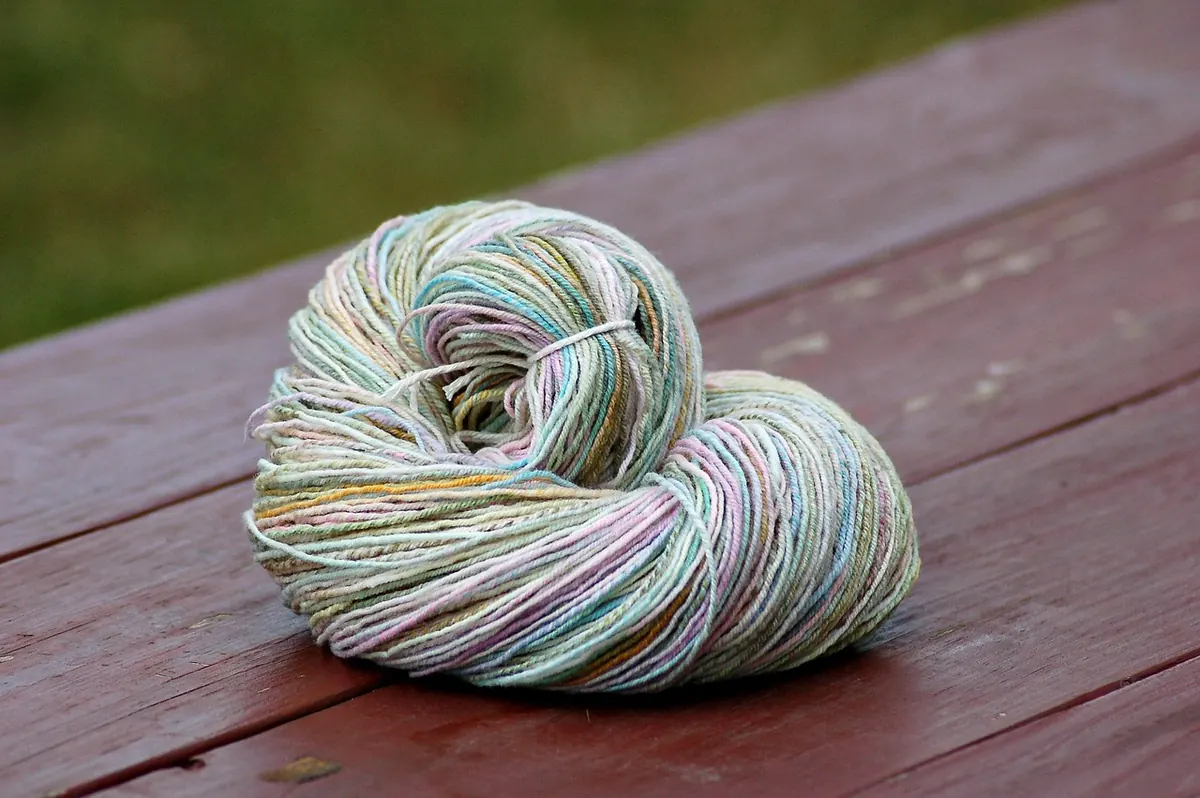
Photo: FatBottomPurls / Pixabay