
Spring and Summer Knitwear: Lightweight Sweaters for Transitional Weather
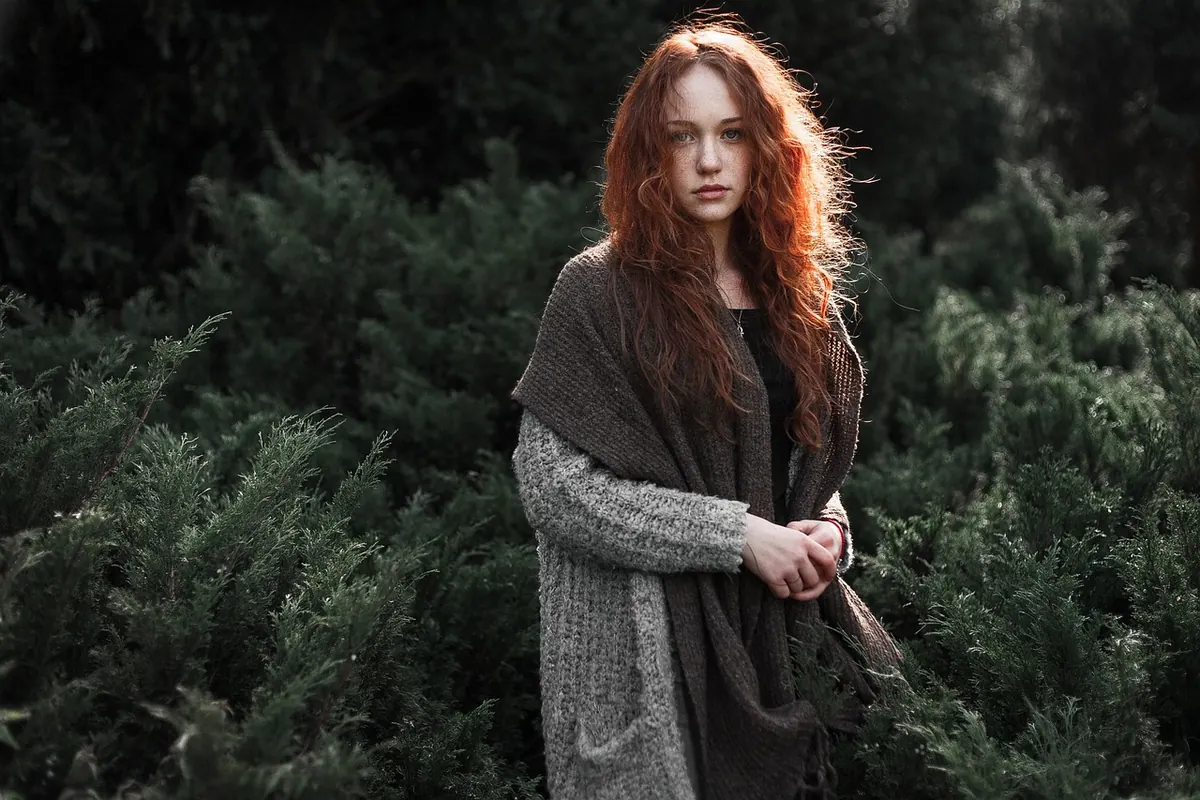
At seven in the morning the air still has an edge to it. By two in the afternoon you're carrying your jacket over one arm and wishing you'd worn different socks. This is the season knitwear was made for — not the heavy cable jumpers of January, but light, open, airy knits that sit somewhere between a shirt and a proper layer. Choose them well and the same few pieces will carry you from March to September, indoors and out. Choose badly and you end up with a shelf of things that feel clammy by noon and shapeless by June.
Why a light knit beats a jacket you'll only carry
A knit breathes and moves with you. It can be pulled on over a vest top in an air-conditioned office, tied around your waist on a hot walk home, and thrown over a dress in the evening without adding bulk to a bag. A jacket can do maybe one of those things.
The trick is matching the weight of the knit to the job. A fine-gauge cotton crew neck worn over a linen shirt handles a breezy coastal afternoon. A paper-thin silk-blend cardigan is the right answer for a train carriage with aggressive air conditioning. A mid-weight linen sweater earns its keep on a cool evening in June. If you only own thick winter knits, you'll be uncomfortable for roughly half the year.
Fibres that breathe — and the ones that don't
Fibre content is the single biggest factor in whether a sweater feels fresh or stifling. As a rule, natural fibres that wick moisture and dry reasonably fast will keep you comfortable; dense, plastic-based yarns trap heat and smell.
Linen and linen blends
Flax fibre is hollow and highly absorbent, which is why linen feels cool against the skin even in humid weather. It wrinkles — that's part of the look — and it softens dramatically with each wash. Pure linen sweaters can feel a little stiff at first, so a linen-cotton or linen-silk blend is often the friendlier introduction.
Organic cotton, especially long-staple
Cotton is comfortable and easy to wash, but it holds water, so a thick cotton knit can feel heavy and damp when you sweat. Look for long-staple varieties, which are smoother and pill less, and for certified organic cotton if you care about how the crop was grown. Keep the gauge fine and the fabric will stay light.
Silk and silk blends
Silk is remarkably light for the warmth it provides and regulates temperature well. A fine silk-cotton knit is one of the most versatile warm-weather layers you can own. It needs gentle washing, so treat it as a piece you look after rather than throw in with the towels.
Lyocell and other wood-pulp fibres
Lyocell has a cool, almost slippery hand and drapes beautifully, which makes it a good partner for cotton or linen in summer knits. Look for producers using closed-loop processes that recover the solvents used to make the fibre.
Fine merino and alpaca, in small doses
Wool has a reputation as winter-only, but a very fine merino — the sort used in 16- to 19-micron yarns — is breathable, odour-resistant and excellent for cool mornings. Alpaca is warmer per gram, so save it for evenings. If animal welfare matters to you, look for mulesing-free wool and standards such as the Responsible Wool Standard.
What to avoid in high summer
- Chunky acrylic and other dense synthetic yarns, which trap heat and hold odour.
- Heavily brushed or felted wool, which is lovely in November and unbearable in June.
- Thick mohair, unless you run cold and plan to wear it only after dark.
Gauge and stitch matter as much as fibre
Two sweaters can be made from identical yarn and feel completely different. Gauge — how many stitches per inch — determines density. A fine-gauge knit (think 12 to 14 stitches per inch) behaves almost like a T-shirt; a chunky 3-gauge knit behaves like outerwear.
Stitch structure decides airflow. Plain jersey is the thinnest and coolest. Ribbing is stretchier and hugs the body, which is helpful for cardigans but warmer. Openwork stitches — eyelets, pointelle, mesh, drop-stitch — create literal holes for air to move through, and they're the reason a lace-weight linen sweater can feel cooler than a cotton T-shirt of similar weight. If you're shopping online, zoom in on the product photo. If you can see light through the fabric, you're on the right track.
Shapes that work when it's warm
Fit affects comfort more than most people expect. A sweater that clings traps a layer of warm, damp air against your skin; a boxy cut lets air circulate. Set-in sleeves look sharper but restrict movement; drop shoulders feel relaxed and suit loose, summery proportions. Short-sleeve and three-quarter-sleeve knits are genuinely useful in transitional weather, and a lightweight cardigan is more flexible than a pullover because you can open it as the day warms up.
Colour plays a small part too. Pale, undyed and natural tones reflect light and show less of the salt marks that come with warm weather.
Five layering formulas worth copying
- Linen shirt plus fine cotton crew neck. Wear the shirt open at the collar, sleeves rolled. Works for most offices.
- Silk camisole under a sheer openwork knit. Cool, comfortable and dressy enough for dinner.
- Light knit over a slip dress. The knit shortens the line and adds coverage for evening.
- Thin cardigan over a vest top, tied at the waist when the sun comes out. The classic solution to unpredictable afternoons.
- Cotton-linen polo knit worn alone with wide trousers. One layer, no fuss, still looks deliberate.
Keep the base layer thin and moisture-friendly — cotton, linen or silk rather than a synthetic athletic top, which will feel clammy under wool.
Washing light knits so they stay light
Heat and agitation are what ruin fine knits, not water. Wash cool on a wool or delicate cycle in a mesh bag, or by hand, using a pH-neutral detergent. Skip fabric softener entirely: it coats the fibres and reduces the breathability you paid for. Never wring a wet knit; press the water out in a towel and dry it flat, reshaping as it dries. Store fine knits folded rather than hung, and give them a day to rest between wears so the fibres recover their shape.
If you wear synthetic knits, a microfibre-catching wash bag is worth the small cost — plastic fibres shed in the wash and end up in waterways.
What to check before you buy
- Fibre percentages. A blend with 2 to 5 percent elastane will hold its shape better without feeling tight. Anything above that starts to feel synthetic.
- Certifications. GOTS for organic cotton, RWS or mulesing-free for wool, and OEKO-TEX or an equivalent for chemical safety. These are useful signals, though not the whole story.
- Traceability. A brand that names its mill or spinner is usually a brand that knows its supply chain.
- Repair and aftercare. Spare yarn in the box, a repair service or clear care instructions all point to a garment meant to last.
- Weight in grams per square metre, if listed. Under roughly 200 gsm is a good starting point for warm-weather knits.
Build the wardrobe slowly
You don't need ten summer sweaters. Start with three: a fine-gauge cotton or cotton-linen crew neck in a neutral you'll wear weekly, a thin cardigan that works open or closed, and one slightly dressier silk or lyocell piece for evenings. Wear them for a season before adding anything else, and notice which one you reach for most — that's the shape and fibre to buy again. Lightweight knitwear rewards patience, both in choosing it and in looking after it, and the pieces that survive five summers are almost always the ones bought carefully rather than cheaply.
Photo: Pexels / Pixabay