
Are Organic Cotton Sweaters Actually Sustainable? An Explainer
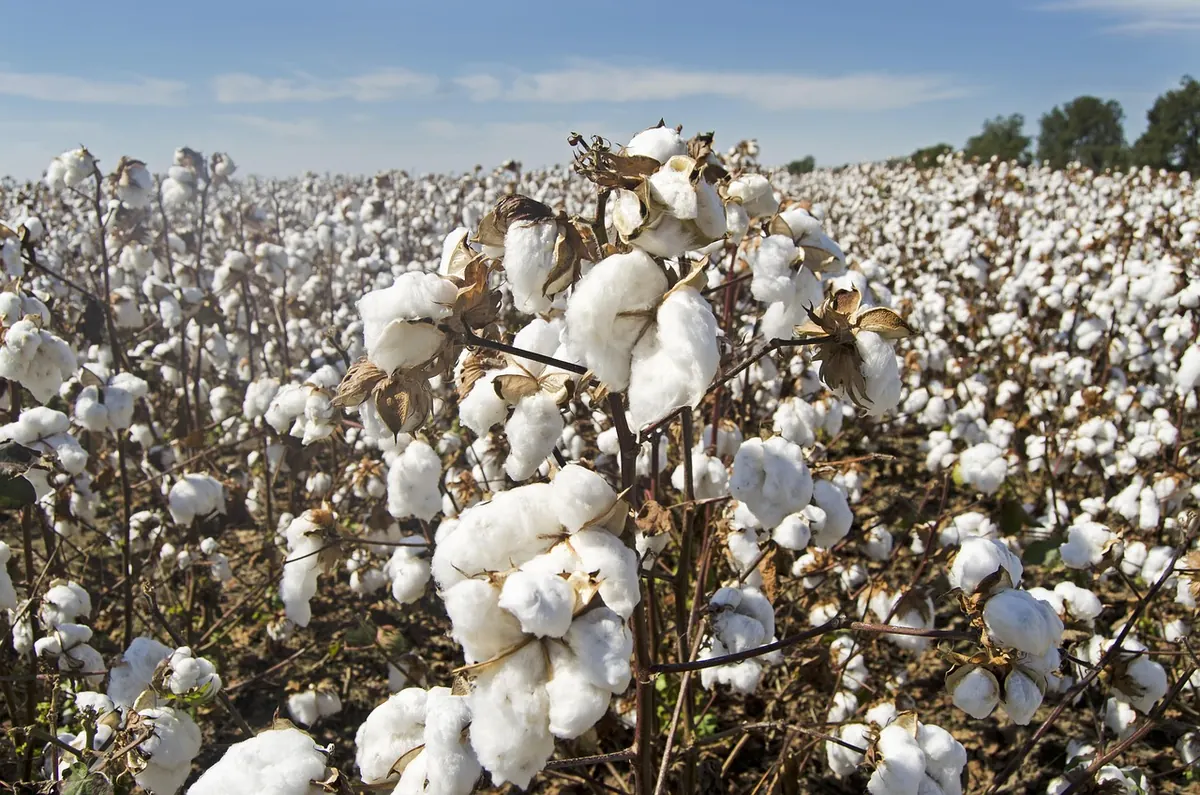
A sweater with an "organic cotton" label feels like the end of the conversation. No pesticides, no guilt, done. The reality is more interesting than that, and more useful. Organic cotton is genuinely better than conventional cotton on several fronts. It is not automatically sustainable on its own. The water, the dyeing, the spinning, the shipping, and how long you actually wear the thing all matter. Here is what the label does and does not tell you.
What "organic" actually certifies
Organic is a claim about how the cotton was grown, not a verdict on the finished sweater. When you see the word on a tag, it is worth knowing which system issued it.
- GOTS (Global Organic Textile Standard) is the one to look for on clothing. It covers the fibre content and the processing stages — banning a long list of chemicals in dyeing and finishing, requiring wastewater treatment at wet-processing plants, and setting social criteria for those facilities. Products need at least 70% organic fibre to be labelled "made with organic", and 95% for the "organic" grade.
- USDA Organic or EU organic covers the farm and the raw fibre. Useful, but it does not follow the cotton through spinning, knitting and dyeing.
- OEKO-TEX Standard 100 tests the finished garment for harmful substances. Helpful for what touches your skin, silent on how the cotton was grown.
If a brand's website says "organic-inspired" or "made with organic materials" with no standard named, treat it as marketing until someone answers a direct question about the certificate.
The water question, honestly
Cotton has a reputation as a thirsty crop, and in many places that reputation is earned. Irrigated cotton in dry regions draws heavily on rivers and groundwater. Organic cotton, however, is more often grown in rain-fed systems, particularly in India and parts of Africa, which changes the maths considerably. It is not a guarantee — a rain-fed crop in an unreliable monsoon still needs water, and a dry season still needs irrigation.
Growing is only part of the story. Dyeing and finishing are water- and energy-hungry, and so is your laundry. So the practical moves are:
- Favour undyed, natural-coloured, or plant-dyed knits where you like the look of them.
- Treat very pale pastels with suspicion — getting a bright white or a delicate pink usually takes more processing, not less.
- Wash less often than you think you need to. Cotton knitwear can go several wears between washes if you air it.
- Wash cold and air dry. Most of a sweater's lifetime energy use happens in your machine, not in the mill.
Pesticides, fertiliser and the people in the field
This is where organic cotton earns its keep. Conventional cotton is grown with a heavy load of synthetic pesticides and fertilisers, and the people applying them and living near the fields absorb the consequences first. Organic standards prohibit synthetic pesticides and synthetic nitrogen fertiliser, which also avoids a fossil-fuel-intensive input. That benefit is real and immediate for farming communities.
Two caveats worth holding onto. First, organic yields are often lower, so it can take more land to produce the same weight of fibre — a genuine trade-off, not a reason to dismiss organic, but not nothing either. Second, certification covers growing and processing, not farm wages. A certified organic sweater is not automatically a fairly paid one. Brands that can tell you which co-operative or farm group grew the cotton are usually the ones paying closer attention.
Where organic cotton falls short
Organic cotton is a farming standard, and a sweater is more than a farm. The limits show up in predictable places:
- Blends. A cotton knit with 5% elastane keeps its shape but is much harder to recycle at end of life.
- Durability isn't certified. A thin, loosely spun organic cotton sweater can pill and sag within a season. Fit and construction decide whether you keep it for years.
- Land and water still get used. Organic is a relative improvement, not a free pass. Flax and hemp generally need less irrigation and fewer inputs than cotton, organic or not.
- Certification costs money. Plenty of smallholders farm to organic principles without paying for the paperwork, and plenty of large operations pay for the certificate and little else.
How it stacks up against wool and recycled fibres
Wool is renewable, biodegradable, warm for its weight, and needs far less frequent washing than cotton. It also lasts. The costs are methane from sheep, significant land use, and animal welfare questions — look for mulesing-free claims and, if you can, recycled wool, which sidesteps the farming side entirely. Scouring raw wool takes water and energy too.
Recycled cotton typically comes from mechanical shredding of offcuts and old garments, which shortens the fibres, so it is usually blended with virgin cotton to hold together. It reduces demand for new growing, though it still needs dyeing and spinning. Chemical recycling, which can handle blends, is developing but not yet widespread.
Recycled polyester keeps plastic out of landfill and reduces demand for new oil, but it still sheds microplastics in the wash and does not biodegrade. A 50/50 cotton-poly blend is one of the hardest things to recycle, which is worth remembering before you buy one.
No fibre wins outright. The best sweater is usually the one you wear for a decade.
A practical way to choose
Start with the fibre list on the care label, not the front of the tag. Look for a high proportion of the fibre you actually want — 95% wool or 95% organic cotton rather than a vague blend — and accept a small amount of elastane only if the fit genuinely depends on it. Check for GOTS by name, and for wool, look for recycled content or a mulesing-free statement. Prefer denser knits you can hold up to the light without seeing straight through.
Then think about the second and third years of ownership. Can you hand wash it, or does it need dry cleaning? Is there a repair service or a good local mender? Does the brand take garments back? A mid-priced sweater you rewear for eight winters beats an expensive one that pills by February. If a sustainability claim matters to a purchase decision and the brand can't answer a straight question about it, that silence is your answer.
Photo: jdblack / Pixabay